
SDG 1
No Poverty
Increasing incomes and strengthening livelihoods helps families move beyond subsistence and reduce vulnerability.
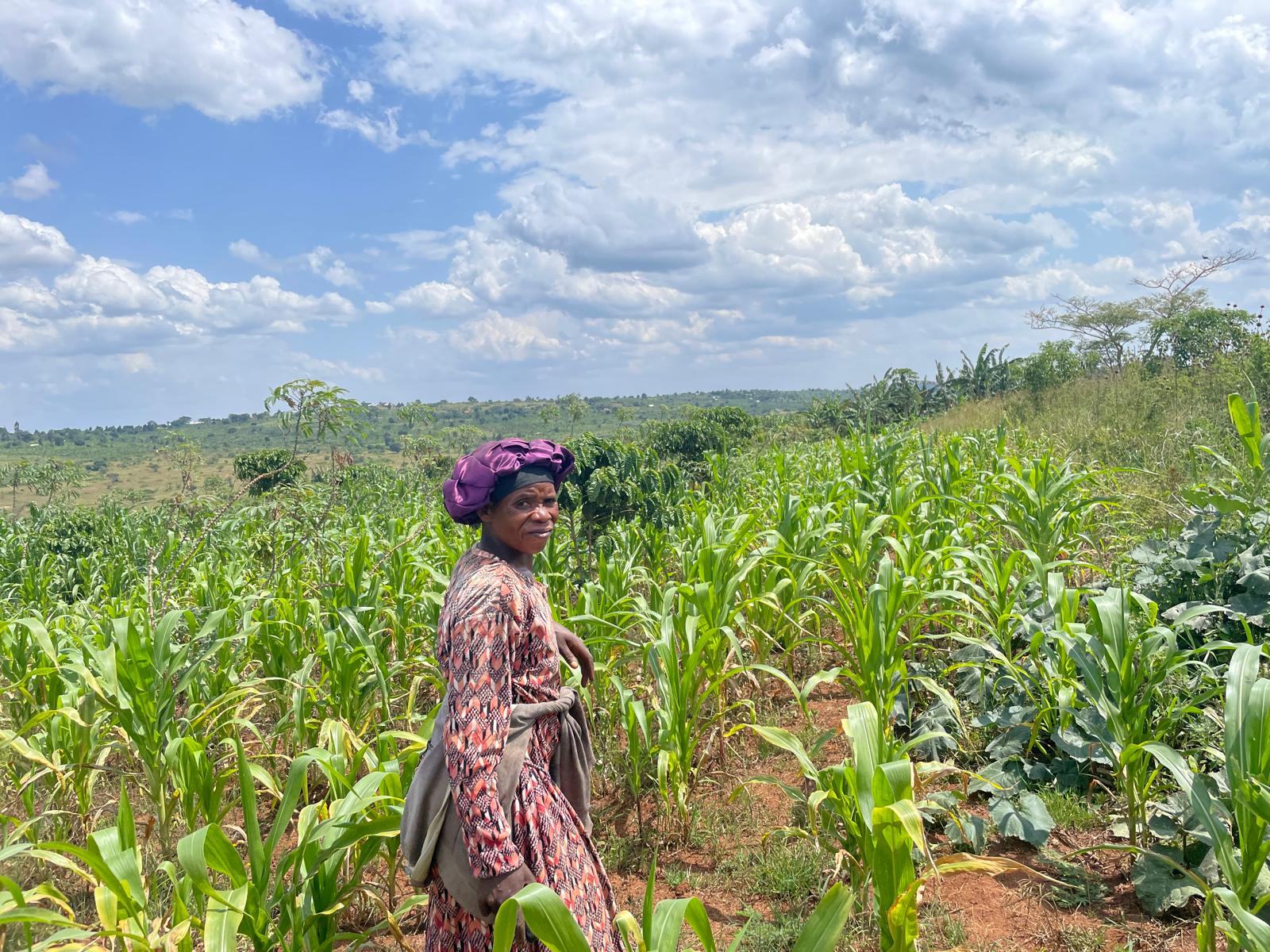
Farmers working together to produce, finance, and sell better.
We empower smallholder farmers through village cooperative systems that combine climate-smart agriculture, access to finance, and market linkages.
Smallholder farmers in rural Uganda face erratic rainfall, limited access to quality inputs, weak market systems, and restricted access to finance.
Many smallholder farmers remain trapped in low productivity and low-income cycles because the system around them is fragile.
of households are engaged in agriculture nationally.
of Ugandans depend on agriculture for their livelihoods.
of agricultural households primarily farm for subsistence.
of smallholder farmers experience low crop productivity.
of farmers access formal or affordable agricultural financing.
At the core of our program is a community-driven model that organizes farmers into structured Village Cooperatives to improve how they produce, access finance, and engage with markets.
Through these cooperatives, farmers move from working individually to operating as organized economic actors with stronger voice and bargaining power.
Climate-smart training, quality inputs, soil health support, demonstration farms, and seasonal technical guidance.
Post-harvest handling, produce aggregation, reliable buyer linkages, price information, and collective selling to strengthen bargaining power.
Savings groups, input financing, access to credit, and practical financial management training.
What sets COSMA apart is the integration of production, financing, and market access into one coordinated system. By connecting these elements, productivity gains can translate into real and sustained income growth.
Boost yields through climate-smart practices.
Reach markets through collective selling.
Use accessible finance and stronger planning.
COSMA's agriculture programme directly advances four of the United Nations' Sustainable Development Goals - reducing poverty, ending hunger, creating decent livelihoods, and building climate resilience in rural communities.
Increasing incomes and strengthening livelihoods helps families move beyond subsistence and reduce vulnerability.

Improved productivity and food systems enhance food security at household and community levels.

Village cooperatives and market access help farmers participate more effectively in local economies.

Climate-smart practices help farmers adapt to changing weather patterns and build resilience to shocks.
Together, we can unlock the potential of rural communities in Uganda through practical support, partnership, and investment.