Two Valley Dams, One Vision: Building Climate Resilience in Ssembabule District
COSMA Communications TeamSsembabuleStory by COSMA Communications Team
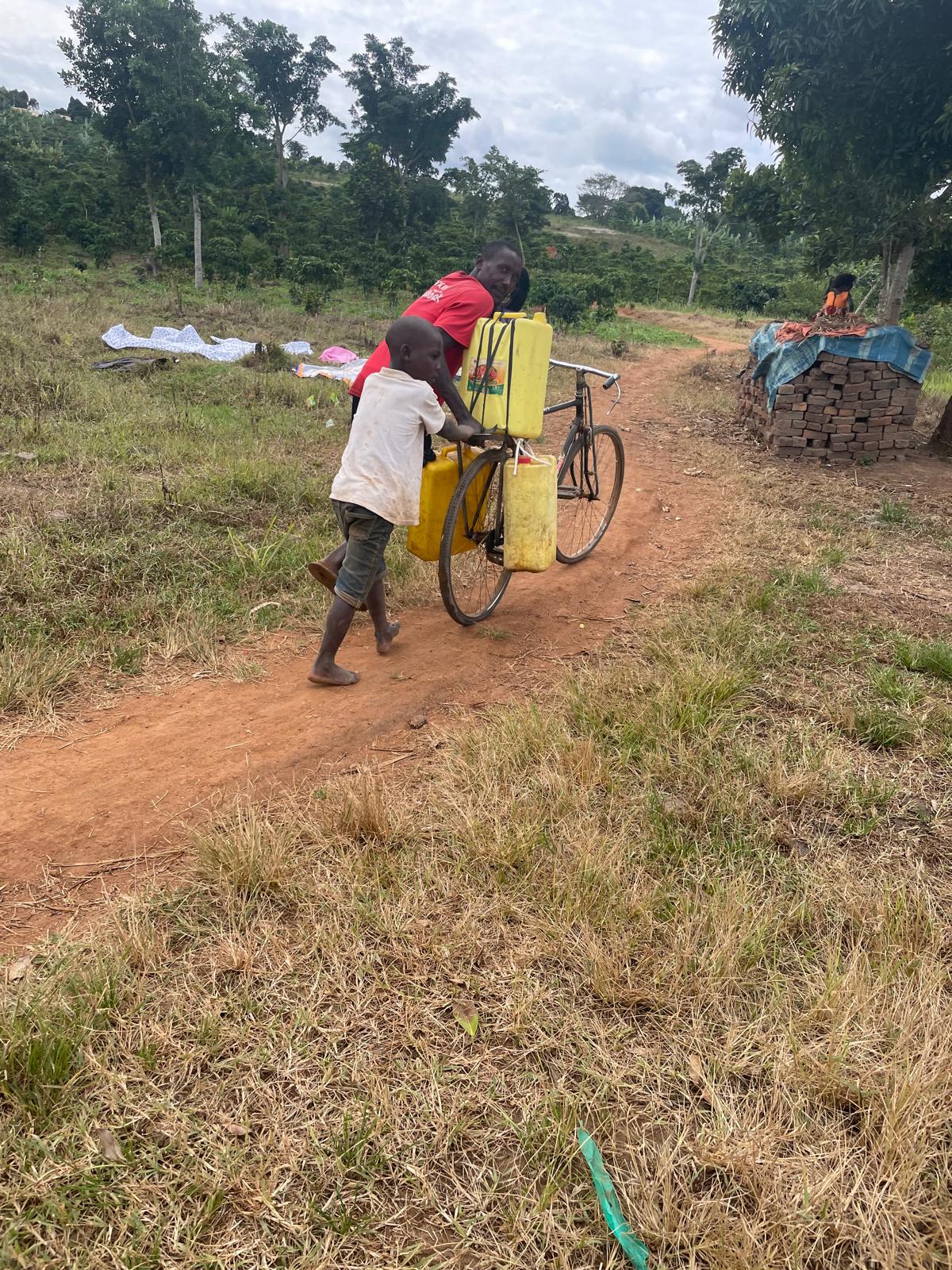
Across the farming communities of Ssembabule District, increasingly unpredictable rainfall has become a growing threat to agriculture. Crops fail before harvest, livestock travel farther in search of water, and farming households face mounting uncertainty as climate change disrupts traditional farming seasons.
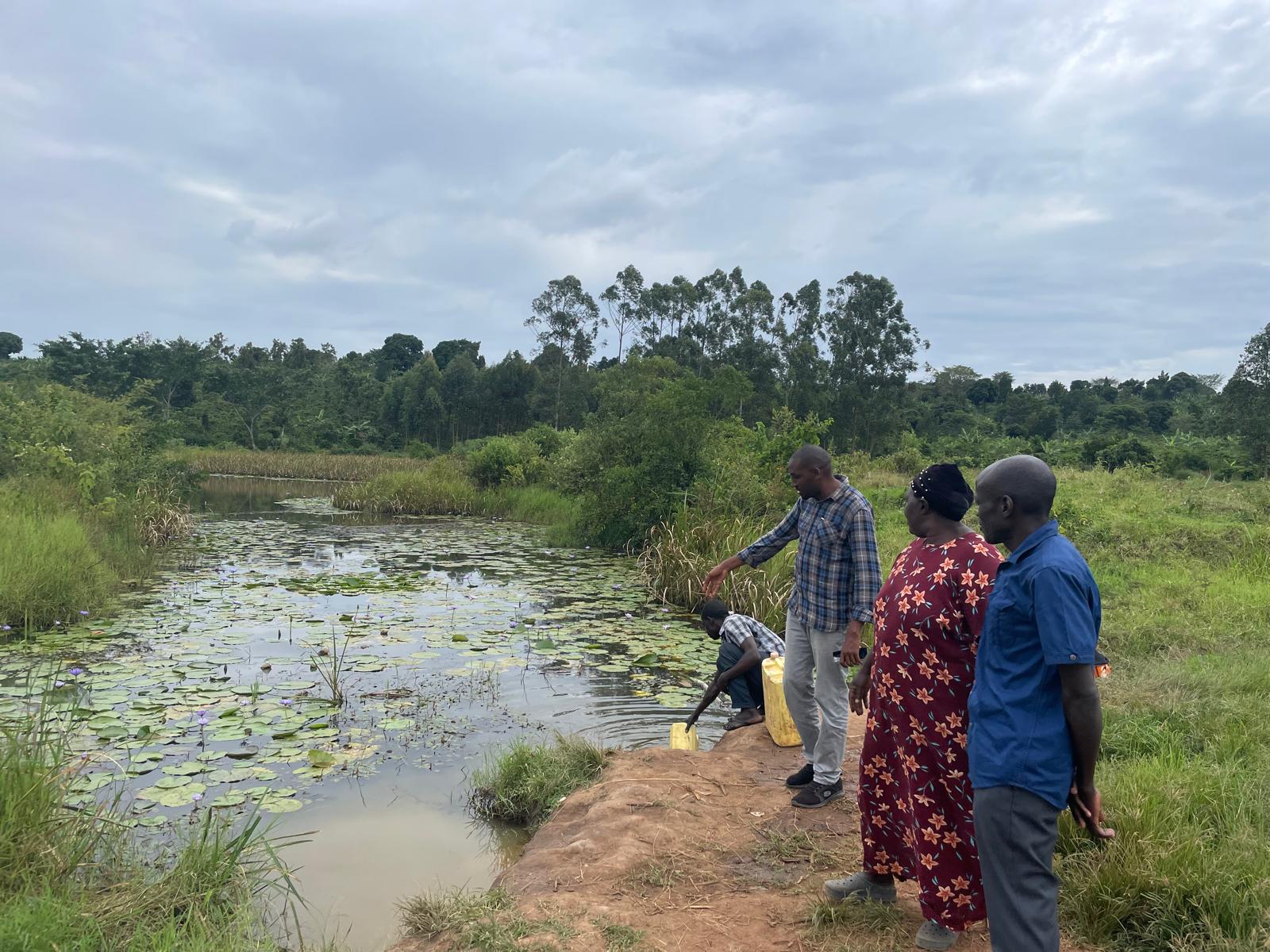
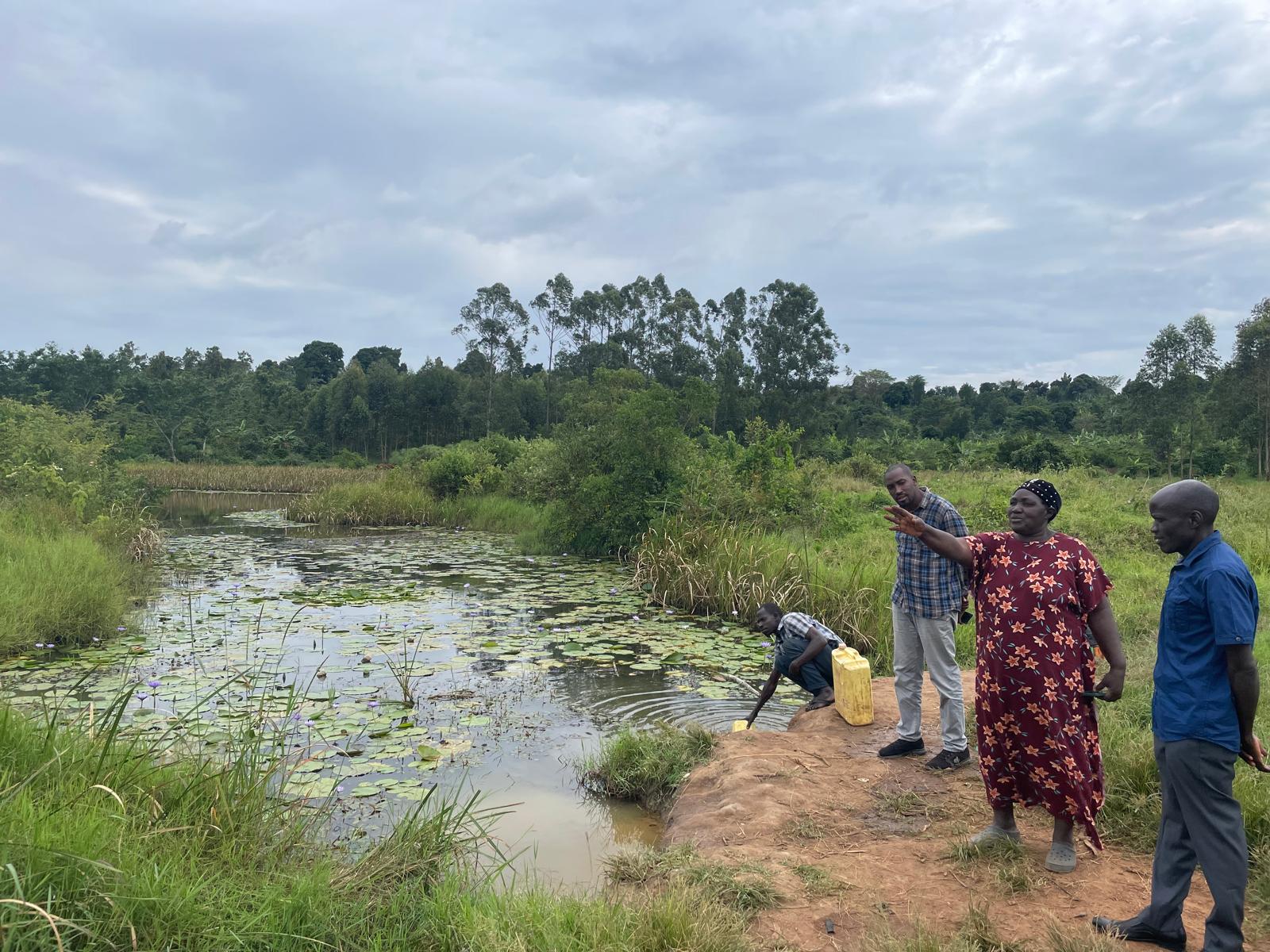
Recognizing that reliable water is fundamental to climate-smart agriculture, COSMA brought together communities, government, development partners, and local leaders to establish community valley dams that would provide year-round water for farming, livestock, and other productive uses.
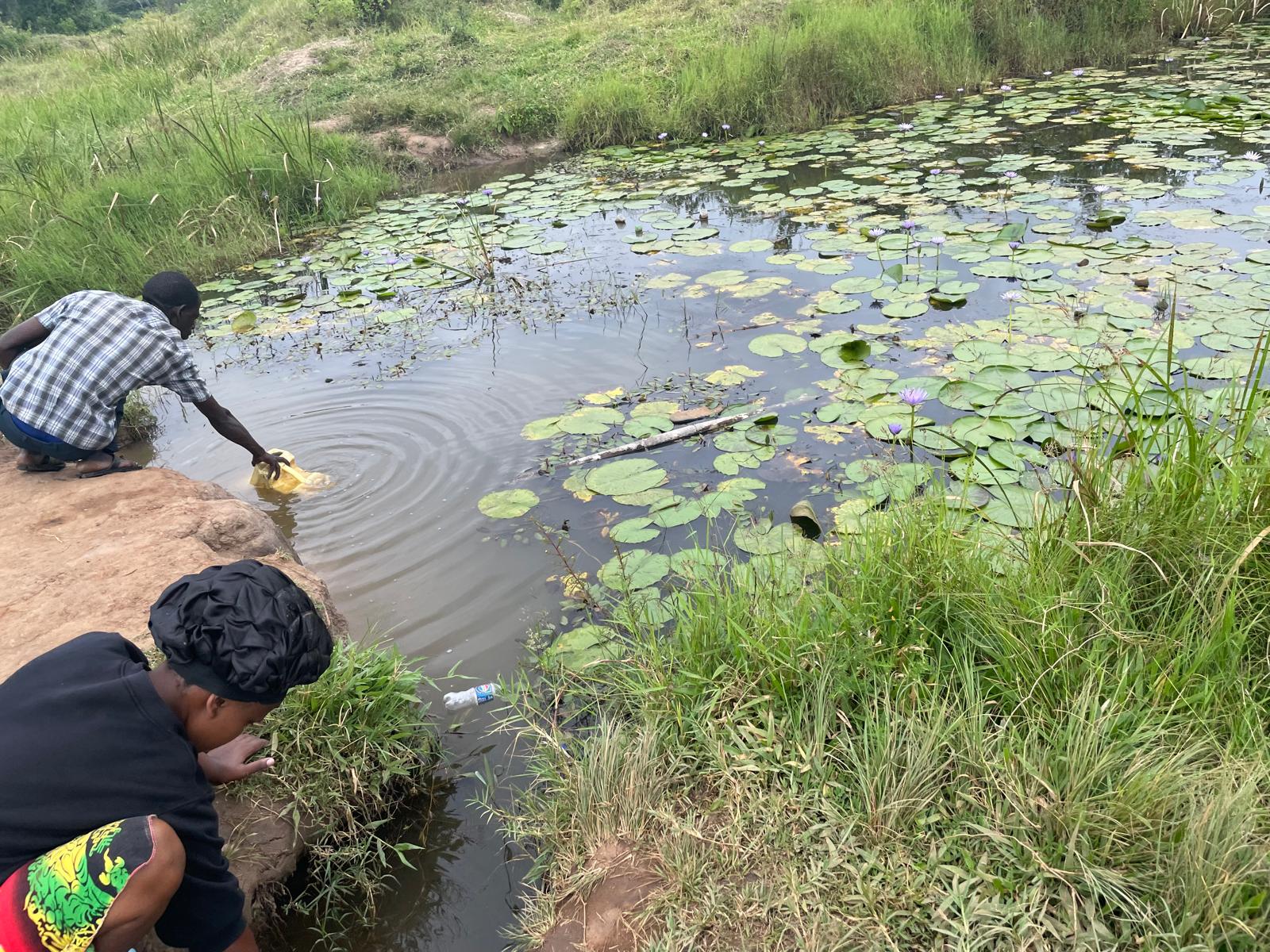
This shared vision led to the construction of two community-owned valley dams. The first was completed in 2019 at Bituntu Village, Kayunga Parish in Mateete Sub-county, followed by a second at Lwembogo Village, Kasambya Parish in Lwebitakuli Sub-county. Together, the two dams now provide reliable water access to ten villages across Ssembabule District.
The projects showcased the power of partnership. The Ministry of Agriculture, Animal Industry and Fisheries (MAAIF) provided heavy machinery for excavation, while COSMA Board Chairperson Wanda Gass contributed USD 8,000 to cover fuel and equipment maintenance. Community members prepared meals for construction workers throughout the month-long implementation period, and COSMA coordinated the entire process.
Equally inspiring were the contributions made by local residents. In Bituntu Village, Ms. Nabankema Sarah donated two acres of her land so the community could establish a permanent water source. In Lwembogo Village, another resident generously donated land for the second valley dam, choosing to remain anonymous and asking only that the community benefit.
Today, the Bituntu Valley Dam serves the villages of Bituntu, Buyongo, Bukulula, Kitabagana, Kigulu, Kasana, and Kasambya, while the Lwembogo Valley Dam supplies water to Lwembogo, Makukuulu, and Mpumudde.
For hundreds of farming households, the dams have become far more than water reservoirs. They provide dependable water for livestock and domestic use while enabling year-round irrigation. Many farmers who previously depended entirely on increasingly unreliable rainfall can now continue production during prolonged dry spells, improve livestock production, diversify farming enterprises, and strengthen household food security and incomes.
The valley dams have become an important pillar of COSMA's climate-smart agriculture strategy, demonstrating that resilient farming begins with resilient water systems.
Beyond their practical value, the projects demonstrate the strength of community-led development. Local people invested land, labour, leadership, time, and food for construction workers, creating a strong foundation that attracted government support and development financing. Together, these complementary contributions delivered public infrastructure that no single stakeholder could have achieved alone.
Today, the two valley dams stand as lasting symbols of what is possible when communities take ownership of their own development. As climate change continues to challenge rural livelihoods, the people of Ssembabule District are showing that resilience is built through local leadership, shared investment, and strategic partnerships.
For COSMA, these valley dams represent more than successful infrastructure projects. They reflect a simple but enduring belief: when communities invest in themselves, development becomes more sustainable, inclusive, and transformative.
“For hundreds of farming households, the dams have become far more than water reservoirs. They provide dependable water for livestock and domestic use while enabling year-round irrigation.”
— COSMA Communications Team, Ssembabule
Get Involved
Help Write the Next Story
Stories like COSMA Communications Team's are possible because of people who believe in community transformation. Your support makes the difference.